
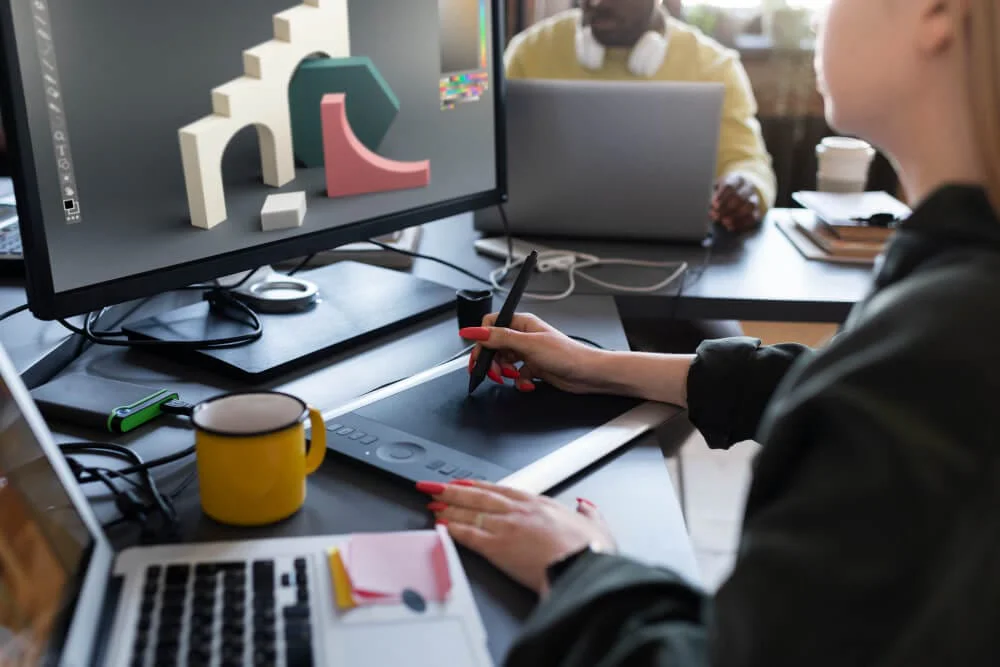
The world of work has changed dramatically in recent years, and creative professionals are among those who have embraced remote opportunities. Graphic designers, once tied to offices or studios, now have the freedom to work from anywhere. Remote graphic design jobs are becoming increasingly popular, offering flexibility, independence, and access to global clients. This article explores how remote graphic design careers work, the skills required, the platforms where jobs can be found, and the benefits and challenges of this lifestyle.
What Are Remote Graphic Design Jobs?
Remote graphic design jobs allow professionals to create visual content for clients without being physically present in an office. Designers can work from home, a co‑working space, or even while traveling. The tasks remain the same as traditional roles: creating logos, designing websites, producing marketing materials, and developing brand identities. The difference lies in communication and collaboration, which are handled through digital tools such as email, video calls, and project management platforms. You can learn more about the basics of remote design work on Indeed’s career guide.
How Remote Graphic Design Jobs Work
Remote designers typically work as freelancers, contractors, or full‑time employees for companies that support remote work. Freelancers often find projects through online marketplaces, while employees may be hired by agencies or corporations with distributed teams. Work is delivered digitally, and deadlines are managed through online calendars and task trackers. Payment is usually handled through secure platforms such as PayPal, Wise, or direct bank transfers. Collaboration tools like Slack, Trello, and Zoom make it possible to stay connected with clients and colleagues across different time zones.
Skills Needed for Remote Graphic Design
To succeed in remote graphic design, professionals need more than just artistic talent. Strong communication skills are essential, since most interactions happen online. Time management and self‑discipline are equally important, as remote work requires balancing multiple projects without direct supervision. Technical skills include proficiency in software such as Adobe Creative Cloud, Figma, and Canva. Knowledge of web design, branding, and digital marketing can also give designers a competitive edge. For those interested in expanding their skills, resources like Adobe’s tutorials provide valuable learning opportunities.
Where to Find Remote Graphic Design Jobs
There are many platforms where designers can find remote opportunities. Websites like Upwork, Fiverr, and Freelancer connect freelancers with clients worldwide. Job boards such as Remote.co and We Work Remotely list full‑time and part‑time positions. LinkedIn also offers a wide range of postings, and networking through social media can lead to direct client relationships. Building a strong portfolio and maintaining an updated profile on these platforms increases visibility and credibility.
Benefits of Remote Graphic Design Careers
One of the greatest advantages of remote graphic design is flexibility. Designers can choose their working hours, select projects that align with their interests, and avoid commuting. Remote work also opens doors to international clients, expanding opportunities beyond local markets. This global reach can lead to higher earnings and exposure to diverse creative challenges. Additionally, remote work often improves work‑life balance, allowing professionals to spend more time with family or pursue personal interests.
Challenges of Remote Graphic Design Careers
Despite the benefits, remote graphic design comes with challenges. Isolation can be an issue, as working alone may reduce social interaction. Communication barriers may arise when collaborating with clients in different time zones or cultures. Another challenge is maintaining motivation and productivity without the structure of an office environment. Financial stability can also be uncertain for freelancers, who may face irregular income. To overcome these challenges, designers often establish routines, join online communities, and invest in reliable technology to support their work.
How to Succeed as a Remote Graphic Designer
Success in remote graphic design requires a combination of creativity, professionalism, and adaptability. Building a strong portfolio is crucial, as it showcases skills and attracts clients. Networking through online platforms and social media helps establish connections and generate referrals. Setting clear contracts and expectations with clients ensures smooth collaboration. Continuous learning is also important, as design trends and software evolve rapidly. Designers who stay updated and flexible are more likely to thrive in the competitive remote market.
Future of Remote Graphic Design
The demand for remote graphic designers is expected to grow as businesses continue to embrace digital transformation. Companies are increasingly investing in online branding, social media marketing, and e‑commerce, all of which require skilled designers. Remote work is no longer seen as an exception but as a standard practice in many industries. This trend suggests that opportunities for remote graphic designers will expand, offering long‑term career stability and growth. For insights into the future of creative work, Creative Bloq regularly publishes articles on industry trends.
Remote graphic design careers offer freedom, flexibility, and access to global opportunities. While challenges such as isolation and income stability exist, the benefits often outweigh the drawbacks. With the right skills, tools, and mindset, designers can build successful careers from anywhere in the world. Whether working as a freelancer or a remote employee, the key is to stay creative, professional, and adaptable. Exploring platforms like Upwork, Remote.co, and We Work Remotely can help you take the first step toward a rewarding remote graphic design career.