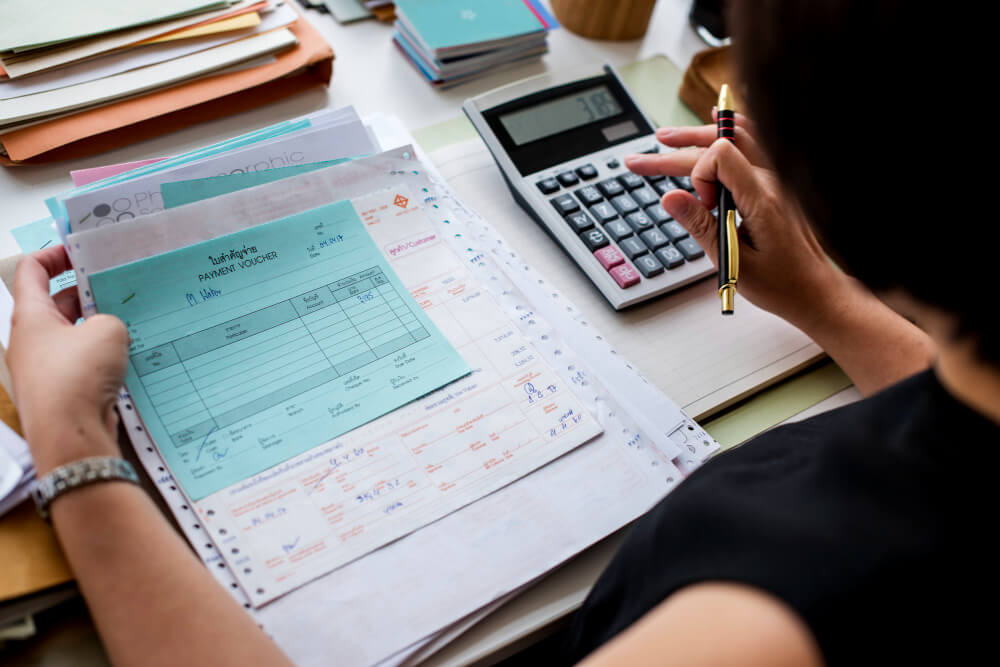
Managing household expenses can be challenging, especially when utility bills fluctuate from season to season. Hot summers and cold winters often lead to spikes in energy usage, making it difficult to predict monthly costs. Budget billing is a system designed to bring stability to your utility payments. Instead of facing unpredictable bills, you pay a consistent amount each month. This article explains how budget billing works, its advantages and disadvantages, and whether it might be the right choice for you.
What Is Budget Billing?
Budget billing is a payment plan offered by many utility companies that allows customers to spread out their energy costs evenly across the year. Rather than paying more during high‑usage months and less during low‑usage months, you pay a fixed amount each billing cycle. This amount is calculated based on your past energy consumption and projected future usage. The goal is to make budgeting easier by eliminating surprises in your monthly bills. You can read more about the basics of budget billing on Discover’s guide Discover.
How Does Budget Billing Work?
The process begins with your utility provider reviewing your energy usage history, usually over the past 12 months. They calculate an average monthly cost and set that as your budget billing amount. For example, if your annual energy cost is $1,200, your monthly payment under budget billing would be $100. This way, you avoid paying $200 in one month and $50 in another. Instead, your payments remain steady, which helps with financial planning.
At the end of the year, your utility company reconciles your account. If you used more energy than expected, you may owe a balance. If you used less, you may receive a credit. Some providers adjust your monthly payment mid‑year to reflect changes in usage, ensuring that your account stays balanced. A detailed explanation of this process is available on SoFi’s resource SoFi.
Advantages of Budget Billing
One of the main benefits of budget billing is predictability. Knowing exactly how much you will pay each month makes it easier to plan your budget. This is especially helpful for families or individuals who live on fixed incomes. Budget billing also reduces financial stress during peak seasons. Instead of worrying about high bills in the summer or winter, you can enjoy consistent payments throughout the year.
Another advantage is convenience. Many providers allow you to combine budget billing with automatic payments, making the process seamless. This system also encourages better financial discipline, since you can allocate funds more effectively without worrying about unexpected spikes.
Drawbacks of Budget Billing
While budget billing offers stability, it is not without drawbacks. One potential issue is overpayment during low‑usage months. For example, in spring or fall when energy consumption is lower, you may end up paying more than your actual usage. Although this balances out over the year, some customers may feel frustrated by paying extra upfront.
Another drawback is the possibility of a year‑end adjustment. If your energy usage is significantly higher than expected, you may face a large bill at the end of the cycle. This can happen if you add new appliances, expand your living space, or experience unusually extreme weather. Additionally, budget billing may reduce your incentive to conserve energy, since your monthly payment remains the same regardless of usage. Freedom Debt Relief offers a helpful overview of these considerations here Freedom Debt Relief.
Is Budget Billing Right for You?
Deciding whether budget billing is right for you depends on your financial situation and personal preferences. If you value consistency and want to avoid seasonal spikes, budget billing can be a great option. It is particularly useful for households with tight budgets or those who prefer predictable expenses. On the other hand, if you are disciplined about saving during low‑usage months and prefer to pay only for what you consume, traditional billing may be better.
It is also important to consider your lifestyle. If you anticipate changes in your household, such as adding new family members or upgrading appliances, your energy usage may increase. In such cases, budget billing could lead to larger adjustments at the end of the year. Reviewing your past energy bills and discussing options with your utility provider can help you make an informed decision.
Alternatives to Budget Billing
If budget billing does not suit your needs, there are alternatives. Some utility companies offer levelized billing, which works similarly but adjusts payments more frequently to reflect actual usage. Others provide prepaid plans, allowing you to pay for energy in advance and monitor consumption closely. You can also create your own system by setting aside money each month in a savings account to cover higher bills during peak seasons. This approach gives you control while still providing a buffer against unexpected costs.
Budget billing is a practical solution for managing utility expenses, offering stability and peace of mind. By spreading costs evenly across the year, it helps households avoid financial stress during high‑usage months. However, it is not perfect, and customers should weigh the pros and cons before enrolling. Whether you choose budget billing or stick with traditional billing, the key is to understand your energy usage and plan accordingly. Exploring resources like Discover Discover, SoFi SoFi, and Freedom Debt Relief Freedom Debt Relief can provide further insights to help you make the best choice.