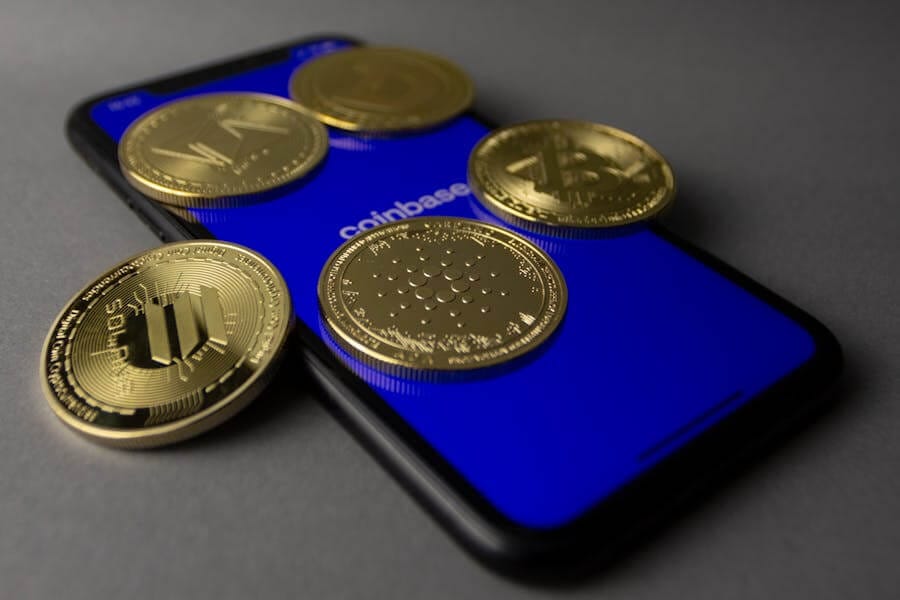
In the hyper-accelerated world of digital finance, language evolves as quickly as market prices. Among the most pervasive terms to emerge from the blockchain revolution are WAGMI and NGMI. While they appear to be simple shorthand for optimism or failure, these acronyms represent a sophisticated system of social signaling and communal psychology. In an industry defined by decentralized structures, this specialized vernacular serves as the “connective tissue” that binds global communities of investors, developers, and artists together across platforms like X (formerly Twitter), Discord, and Farcaster.
Decoding the Ethos of WAGMI and Collective Optimism
WAGMI—an acronym for “We Are All Gonna Make It”—is the rallying cry of the crypto-optimist. Originally popularized by the late fitness icon Zyzz, the phrase was adopted by the Ethereum and NFT communities to foster a sense of shared destiny. It suggests that financial liberation is not a zero-sum game; if the community remains unified and holds their assets (a practice known as HODLing), everyone involved will eventually achieve success.
This term is a powerful tool for Social Proof, where the collective affirmation of a project’s value helps to stabilize its price during periods of extreme volatility. When a community “WAGMIs” together, they are essentially building a psychological floor for an asset. It is an expression of high conviction, often used when a project reaches a new milestone, such as a major partnership or a significant technical upgrade.
The Harsh Reality of NGMI and Digital Ostracism
On the opposite end of the spectrum lies NGMI, or “Not Gonna Make It.” This phrase is used with surgical precision to identify behaviors, mindsets, or projects that the community deems destined for failure. Unlike WAGMI, which is inclusive, NGMI is a tool of exclusion and critique. It is often directed at those who “paper hand” (sell their assets too early) or those who dismiss the fundamental utility of Blockchain Technology.
In the context of the modern attention economy, being labeled NGMI is a form of digital reputational damage. It suggests that the individual lacks the “vision” to see the future of decentralized finance (DeFi). However, the term also serves as a cautionary diagnostic tool. Savvy investors use the NGMI label to flag “rug pulls” (scams) or projects with unsustainable tokenomics, acting as a decentralized warning system for the broader community.
| Slang Term | Core Sentiment | Primary Use Case |
| WAGMI | Radical Optimism | Community building, price pumps, celebrating milestones. |
| NGMI | Skepticism / Critique | Flagging bad trades, identifying scams, mocking detractors. |
| GMI | Personal Confidence | Indicating that a specific individual has the right strategy. |
| HFSP | Aggressive Dismissal | “Have Fun Staying Poor”—used against those who refuse to buy crypto. |
The Role of Tribalism and Emotional Contagion
The usage of these terms highlights the intense tribalism found within Web3. Cryptocurrency markets operate 24/7, creating an environment of constant stress and high stakes. In this pressure cooker, Emotional Contagion spreads rapidly. WAGMI acts as a buffer against “FUD” (Fear, Uncertainty, and Doubt), providing a sense of security when prices are “bleeding” (dropping).
Conversely, the fear of being NGMI drives many individuals to participate in “FOMO” (Fear Of Missing Out). This psychological tension is what fuels the rapid rise of “Meme Coins” and experimental NFT collections. The language creates a “with us or against us” binary that can be dangerous for novice investors who may prioritize community belonging over sound Risk Management strategies.
Social Media as the Sentiment Engine
The power of WAGMI and NGMI is amplified by the algorithms of social media. On platforms like X, these terms function as high-entropy keywords that search bots and sentiment analysis tools track to gauge market temperature. Many quantitative traders now use Sentiment Analysis to see how many times WAGMI is being mentioned relative to NGMI.
When the ratio of WAGMI mentions spikes, it often indicates a “bullish” market sentiment, though contrarian investors may see it as a sign that the market is over-leveraged and due for a correction. This digital linguistics has created a new form of “social technical analysis,” where the strength of the slang is as important as the strength of the code.
Gamification of Finance and the New Retail Investor
We are currently witnessing the “gamification” of the financial markets, where investing feels more like a multiplayer online game than a traditional brokerage experience. WAGMI and NGMI are the “in-game” language of this movement. This shift has attracted a younger demographic that values community and memes as much as dividends and yields.
This trend is part of a larger movement toward Financial Nihilism, where the belief in traditional systems (like savings accounts or pensions) is replaced by high-risk, high-reward digital assets. In this worldview, the “WAGMI” dream is the only perceived path to economic mobility in an era of high inflation and stagnant wages.
Navigating the Hype: Due Diligence vs. Slang
While these terms are essential for understanding crypto culture, they should never be a substitute for deep research. A project can have thousands of people shouting “WAGMI” in a Discord channel while the developers are secretly liquidating their holdings. This is known as “shilling,” where the language of optimism is used as a weapon to lure in retail liquidity.
To succeed in the long term, investors must learn to separate the Signal from the Noise.
Verify the Tech: Does the project solve a real-world problem, or is it just a clever name?
Audit the Team: Are the developers “doxxed” (known) and do they have a history of successful deliveries?
Check the Liquidity: Is there enough volume to exit a position, or will you be “stuck” in an NGMI project?
Ignore the Echo Chamber: If everyone is saying WAGMI at once, it might be time to take profits.
Final Perspective on Digital Vernacular
WAGMI and NGMI are more than just internet memes; they are a reflection of a global shift in how we perceive value, community, and the future. They represent the human side of the blockchain—the hopes, fears, and camaraderie of millions of people navigating a new financial frontier.
As the industry matures and moves toward Regulatory Clarity, the slang may change, but the underlying psychological drivers will remain. Whether we “make it” or “don’t,” the language we use to describe the journey will continue to be the most fascinating part of the digital asset revolution.