
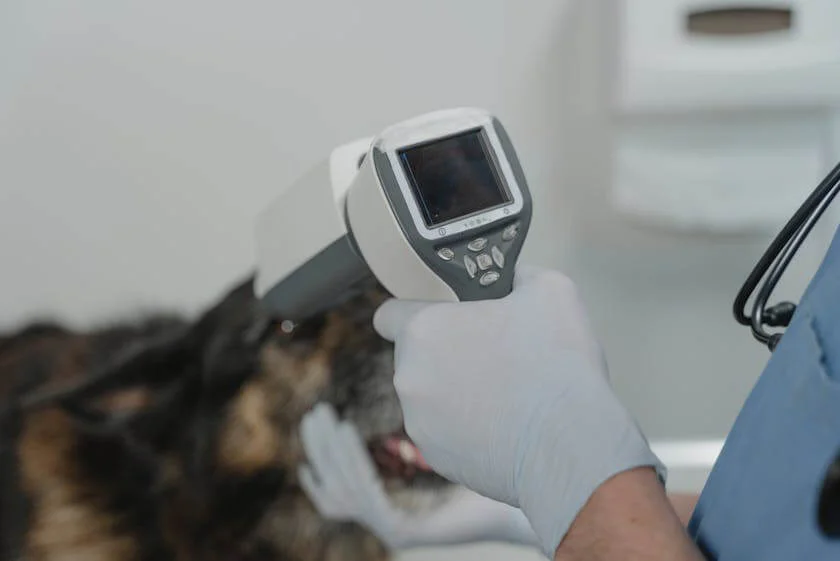
In a world where precision, safety, and efficiency are paramount, the ability to detect problems before they become visible—or catastrophic—is invaluable. Enter Infrared Thermography (IRT), a powerful diagnostic tool that allows us to visualize heat patterns and temperature differences across surfaces. From industrial maintenance to medical diagnostics, IRT is transforming how we detect, prevent, and solve problems.
What Is Infrared Thermography?
Infrared Thermography is a non-contact imaging technique that captures the infrared radiation (heat) emitted by objects and converts it into a visual image called a thermogram. These images reveal temperature variations that are invisible to the naked eye, enabling early detection of anomalies.
Why It Matters: Key Benefits
1. Preventive Maintenance
IRT is a cornerstone of predictive maintenance strategies in industries such as manufacturing, energy, and transportation. By identifying overheating components—like motors, bearings, or electrical panels—before they fail, companies can:
- Avoid costly downtime
- Extend equipment lifespan
- Improve workplace safety
2. Energy Efficiency
In building inspections, thermography helps detect:
- Heat loss through walls, roofs, and windows
- Poor insulation
- Air leaks and moisture intrusion
This data empowers homeowners, architects, and facility managers to make informed decisions that reduce energy consumption and lower utility bills.
3. Electrical Safety
IRT is widely used to inspect electrical systems for:
- Overloaded circuits
- Loose connections
- Faulty breakers or transformers
Early detection of these issues can prevent fires, equipment damage, and power outages.
4. Medical and Veterinary Applications
In healthcare, thermography offers a non-invasive way to monitor:
- Inflammation
- Circulatory disorders
- Musculoskeletal injuries
Veterinarians also use it to diagnose lameness or infections in animals, especially when traditional imaging methods fall short.
5. Non-Destructive Testing
IRT allows for thorough inspections without damaging the object being tested. This is crucial in fields like aerospace, automotive, and civil engineering, where structural integrity must be preserved.
The Future of Thermography
As thermal imaging technology becomes more affordable and accessible, its applications are expanding. Integration with drones, AI, and IoT devices is making thermographic inspections faster, smarter, and more precise.
Infrared Thermography is more than just a heat map—it’s a proactive tool that enhances safety, efficiency, and decision-making across countless industries. By revealing what the eye cannot see, it empowers professionals to act before problems escalate, saving time, money, and even lives.




[…] Thermal imaging is a technology that has changed the manner in which hidden defects are identified and equipment health is managed. In terms of the detection of electrical dangers, energy conservation, and unexpected machine failures, thermographic imaging provides valuable information that cannot be acquired through conventional techniques. Because of its capacity for discovering potential problems without halting operations, it has become an indispensable component of many industries. Organizations have come to recognize its worth due to their emphasis on safety, dependability, and efficiency. […]
[…] malfunctions. Fixing such problems in a timely manner reduces potential exposure to safety threats. The application of infrared diagnostics has emerged as a key method in ensuring the protection of industrial equipment. Through the […]
[…] thermography becomes a highly valuable tool in the revelation of any hidden faults within different structures, systems, and machinery. Its capacity to interpret temperature […]